Innovation in Rural Education: What Superintendents Are Saying
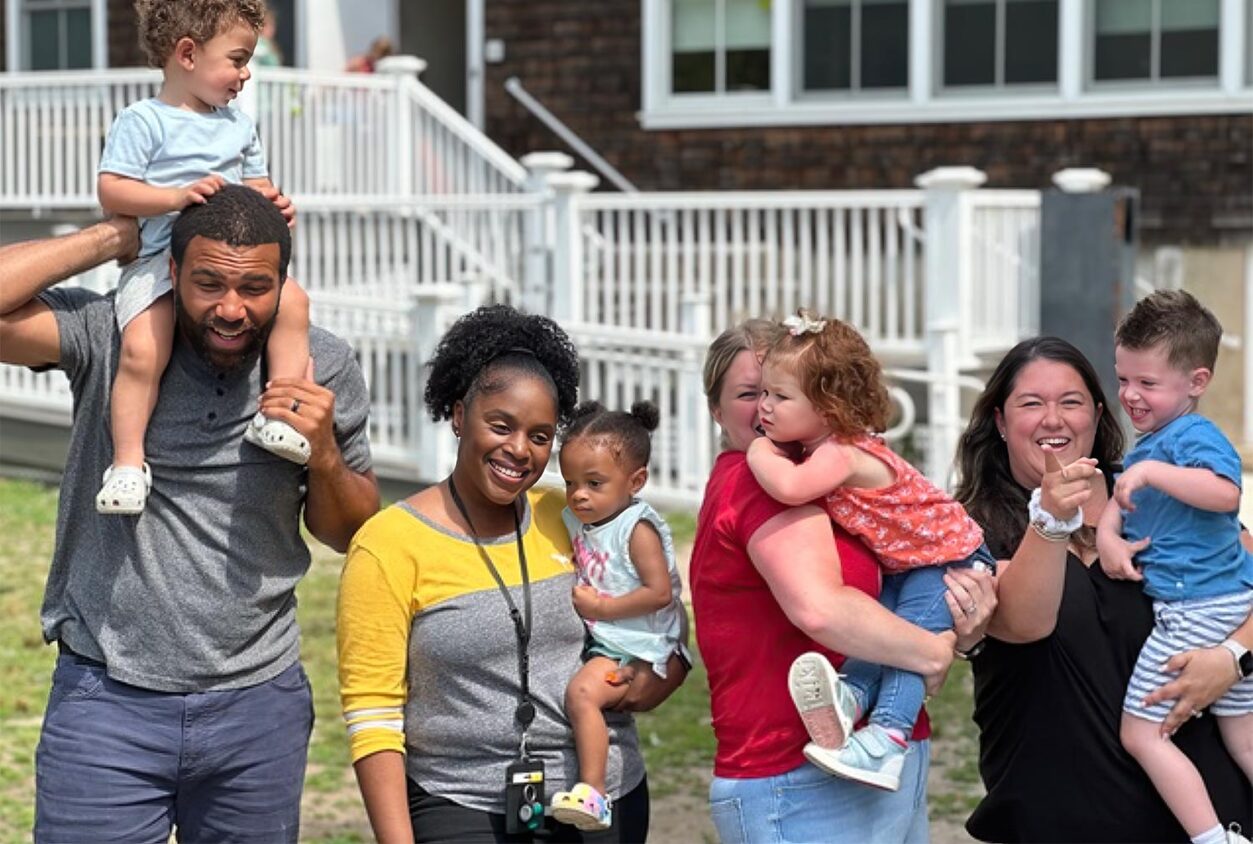
Nine superintendents from across the country are taking part in the first rural cohort of Transcend’s Learner-Centered Leadership Lab (LCLL), a program specifically designed for the most forward-thinking and visionary systems leaders who are committed to putting learners first. These ambitious leaders understand that true education innovation won’t come from slapping the latest one-size-fits-all trend on their communities. Instead, they are rolling up their sleeves and working alongside their students, teachers, families, and community members to create a #ruralstrong vision for education that reflects their community’s values—and prepares all learners to thrive in a rapidly changing 21st-century world.
These rural LCLL leaders—who are also participating in Transcend’s Rural Schools Design Community (RSDC)—are working collaboratively to create and share conditions that allow rural communities to thrive. In the spirit of learning from one another, the Transcend team recently spoke with some of our newest cohort members to learn more about what inspires them to do this work.
Rural Communities Are Often Overlooked
Rural communities historically experience underinvestment when compared to urban centers. Federal funding formulas can put rural schools at a disadvantage, and other sources of funding are similarly uneven. For example, 9% of philanthropic funding goes to rural schools versus 20% to urban schools.
Despite these inequities, systems leaders are ready to pursue true transformation. They want to leave “initiative-itis” in the past, think and act boldly, and show just how strong their communities and students are.
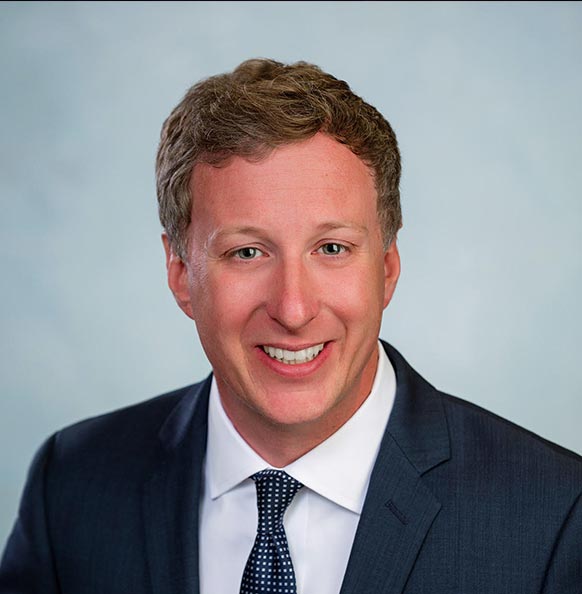
“You can have success in [new initiatives] and still not get what you want…we could continue to improve and improve, get success in those metrics, but probably still wouldn’t get fully what we want, which is students that can graduate with enough self-awareness that they can navigate what is very likely to be a very conflicted, challenging, changing world. And that’s probably more important if they can do that than if they’re successful by the traditional school model.”
– Keith Parker, Superintendent, Elizabeth City-Pasquotank Public Schools
Transforming Schools Is Transforming Communities in Rural America
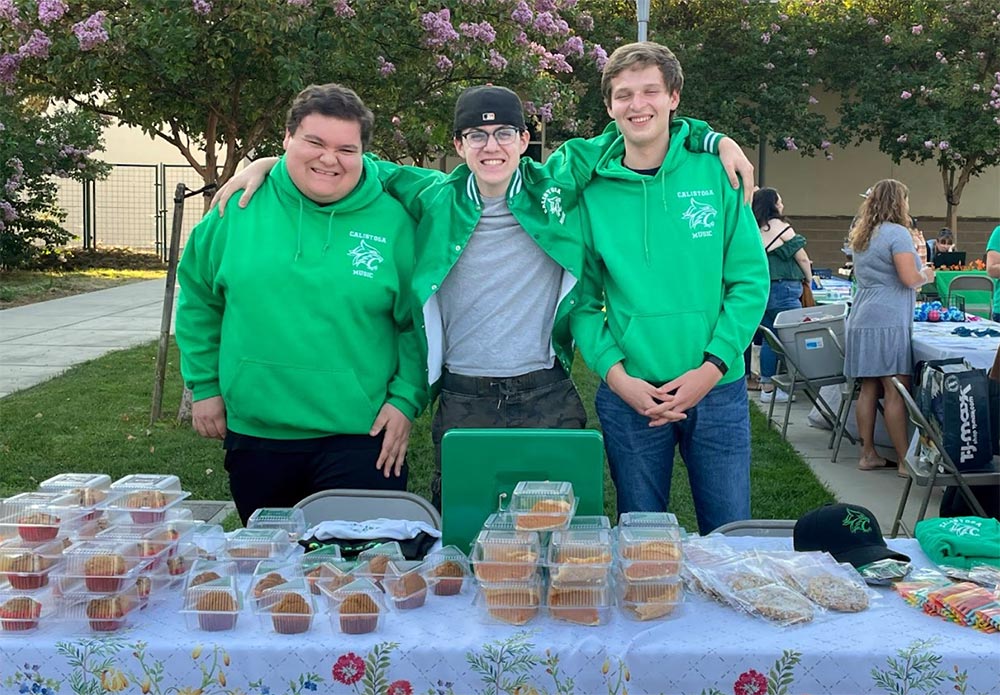
Rural communities have unique strengths and opportunities for innovation. Their small and close-knit nature provides fertile ground for engaging entire communities to be part of a collective change, especially when compared to sprawling urban environments.
Rural LCLL leaders share that schools play a central role in the social and economic fabric of their communities. In addition, their strong community bonds allow educators, leaders, and community members alike to have deep trust and shared goals—a key precondition for bigger, bolder innovation.
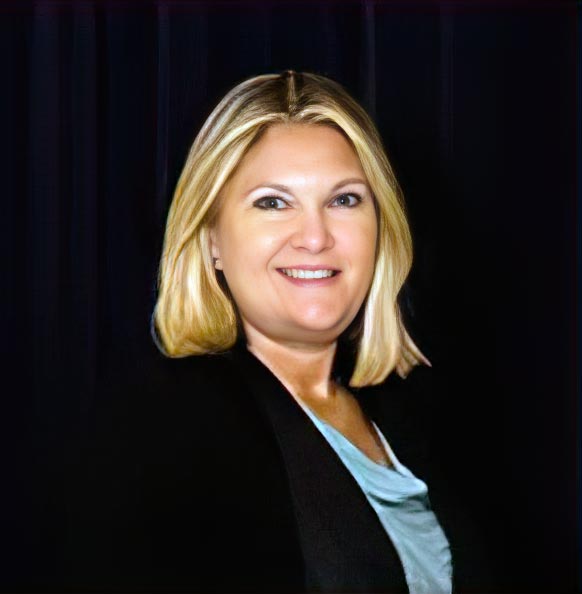
“On the first day of school in Calistoga, I get to visit every single classroom and I get to see every single student, and you can’t do that in a large district. For me, it’s really about relationship building. I feel like you can’t make a change or improvements if you really don’t know who people are and people don’t know who you are. It really comes to building trust and recognizing that I trust that those who are serving our students are in it for the right reasons and are doing the best job they possibly can, and they trust that I have their back and they trust that the decisions that I’m going to make are related to that idea as well. You can’t do that if you’re some person who they’ve never met and is sitting at the district office.”
– Audra Pittman, Superintendent, Calistoga Joint Unified School District
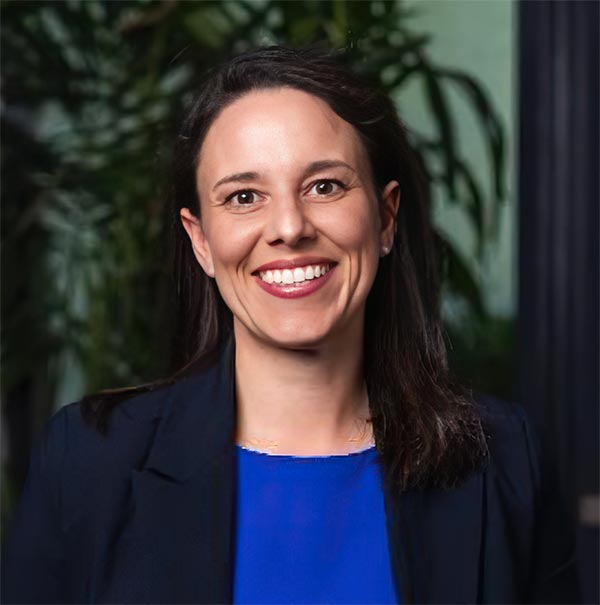
“In our experience working alongside rural communities to design innovative learning models, the tight social fabric leads to a really strong coalition among a wide variety of stakeholders. It is not uncommon to have design teams and community design meetings where everyone from the local politician, business owner, as well as kids, families and staff show up. This is a critical ingredient for strong innovative models to sustain.”
– Taina Torres, Managing Partner, Transcend
The Work Is Personal
As parents, community members, educators, and leaders themselves, rural superintendents see that the rate in which the world is changing is far outpacing their schools.
Rural LCLL participants are setting out to revitalize and adapt to the demands of the 21st-century economy. For many, this means catching up with a job market that has moved beyond manufacturing and agricultural jobs—grappling with how school can be one lever to bring both people and opportunities back to their communities. And, for all, it means equipping their students with the skills needed to lead in the larger world.

“We have to figure out a way to deepen our commitment to reinvest our resources in our communities so that people and our students are encouraged and able to stay here and that there’s a viable place for kids to come back to. We have to show them that there is value in continuing their education, which is why we wrote the Wall-to-Wall Early College Program Grant and the Innovation Pathways Grant—to show them that they have the opportunity to graduate high school with up to 30 college credits free of cost, something that can never be taken away. Students can choose to do something with these credits, whether it’s to go on and finish in higher education or to get some type of certification. We’ve created lots of different pathway programs based on student needs and interests. As a District, we have learned that what we can give students are skills and competencies, we can provide them opportunities and internships, and we can build partnerships with the communities as a way to reinvest in us which in turn reinvigorates our school community going forward.”
– Dr. Beth Regulbuto, Superintendent, Southern Berkshire Regional School District
Motivation Stems from Urgency
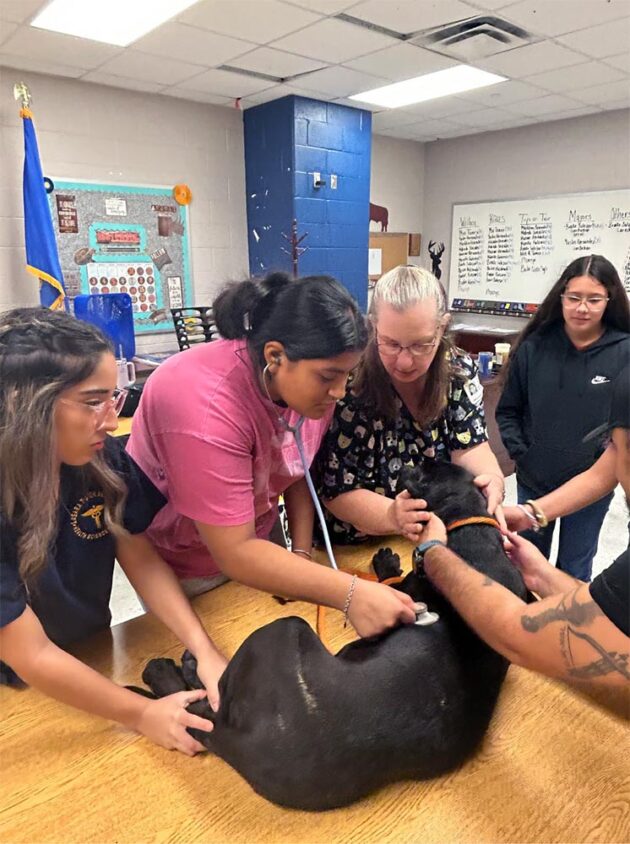
This work is urgent for these superintendents and their communities. They are motivated to innovate because they want to create the kind of schools they want their children to attend, the kinds of environments in which they want to work, and the kinds of opportunities they want for their entire community.
Some rural LCLL participants have their own children currently enrolled in their school systems. When one leader’s daughter didn’t like her school lunch options, she and her friends began a letter-writing campaign that led to a lunch program overhaul in just one year. The lines between home, school, and community similarly blur for many rural school leaders.
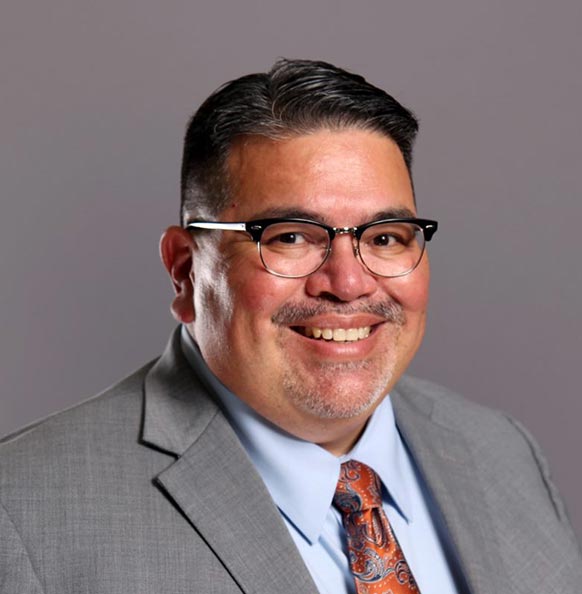
“I want to create a culture in which I think I’d enjoy being an employee. As a parent, would I want my own children to be in school at Lasara? If it’s not good enough for my children, whether it’s an environment, whether it’s the culture, whether it’s the classes, whether it’s the buses, whether it’s the cafeteria food, the air conditioning, whatever it is, if I wouldn’t put my own child in that, then why is it good enough for somebody else’s child?”
– Alejos Salazar, Jr., Superintendent, Lasara ISD
Co-creating the Future Requires Grappling with the Past
Rural communities face challenges as they aspire to experience true transformation rather than small, incremental change. Many rural systems leaders cite shifting adults’ minds away from the traditional model of school as one of their biggest challenges, especially because they are trying to move toward something most people haven’t seen before.
Another major challenge: grappling with the legacies of racial and economic inequity their communities face. Because rural communities often face less funding, fewer opportunities for economic mobility, and racial marginalization, the superintendents see shifting schools—both their policies and practices—as a key way to reduce barriers and increase equity in their whole communities.
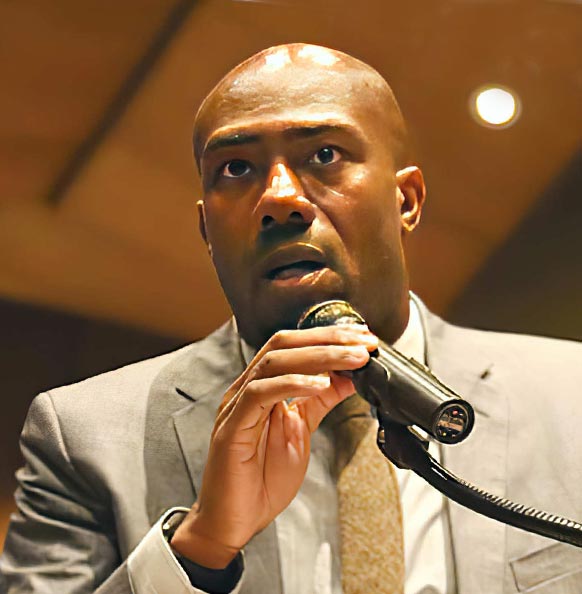
“Parent engagement is often looked at through a white middle class lens. And so the expectation is that, alright, you should be able to come to every back to school [event]. You should be able to come to this [event], you should be able to come to that [event]. But it’s not that way…if you are a member of [a] marginalized community and you [have] to work three jobs to make sure that your kid is eating and you’re paying your bills. It doesn’t mean that you don’t love your kid because you’re not showing up [at] the back to school night. It actually means you love your kid more because you’re willing to go out and sacrifice your happiness and your mental wellbeing in order to make sure that your kid is [taken care of] and eating. So I think having these kinds of conversations [with my staff] are important because it forces us to look at what equity really is. And so that’s my life’s work and I’m just trying to make sure that every day we’re doing a little bit more in order for folks to see us.”
– Ray Ankrum, Superintendent, Riverhead Charter School
Collaboration and Best Practices Yield Collective Impact
These nine rural leaders joined Transcend’s communities of practice for meaningful opportunities to collaborate with fellow superintendents across the nation facing similar contexts, challenges, and opportunities. They believe this kind of collaboration will help them go further, faster.
Individually, they are innovating, but by working together, their impact could be much greater. They are already redefining what success means for their communities and building more personalized and relevant experiences.
“I like that we’re working with other rural schools and being able to bounce ideas off of everyone… We’re kind of on our own little island…we’re the only charter school within a 60 mile radius and…the other schools around us don’t play nice…So we’ve always been very independent and had to be creative and figure out ways and it can get tiring. So hearing from others, what are you doing? It’ll help.”
– Tara Lere, Director, East Range Academy of Technology & Science (ERATS)
The 2023-24 rural LCLL and RSDC cohort is eager to gain the skills and tools to push past quick fixes and pursue transformative change. Imagine what they can achieve when they work together!
Transcend supports communities to create and spread extraordinary, equitable learning environments.